Expert Guide: Finding Supportive Bras for Fuller Busts
- Thiago Leroy
- 6 days ago
- 3 min read

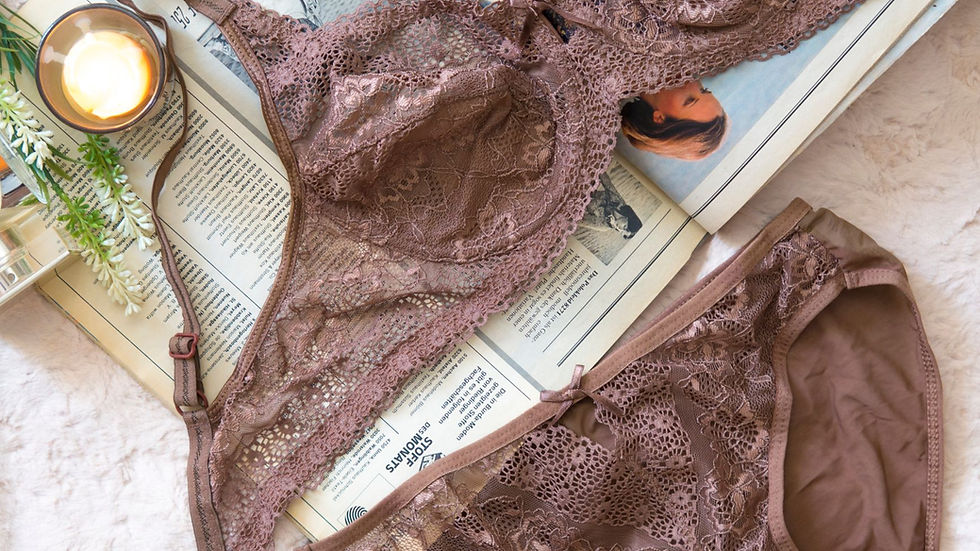
Navigating the world of intimate apparel often feels like an exercise in frustration, especially when your everyday comfort relies on finding supportive bras for fuller busts. Industry data reveals that over eighty percent of women wear the incorrect bra size, with those possessing fuller figures bearing the brunt of poor engineering. When a garment fails to distribute weight properly, the physical toll manifests as shoulder grooving, chronic back pain, and poor posture. Solving this equation requires looking past vanity sizing and understanding the mechanical principles of garment construction. By mastering these fundamentals, you can transform your daily comfort and posture effortlessly.
The Anatomy of a Supportive Bra
Understanding what makes a garment truly supportive begins with looking beneath the fabric surface. A common misconception is that thick shoulder straps hold up the entire weight of a fuller bust. In reality, the foundation of any reliable undergarment rests on the band, which should provide eighty percent of the overall support. When shopping for fuller figures, prioritizing a firm, high- spandex band is non-negotiable. Furthermore, knowing how to choose the perfect lingerie for your body type ensures that the structural components work harmoniously with your natural silhouette.
Evaluating Band and Wire Integrity
- Check that the center gore (the fabric piece between the cups) lies completely flat against your chest wall.
- Ensure the underwire does not poke into your underarms, which indicates a cup size that is too small or a wire that is too wide.
- Look for encapsulated wires featuring cushioning channels that prevent friction and metal fatigue over time.
Cup Construction and Fabric Technology
Cup design for fuller busts requires advanced textile engineering to prevent spillage and bouncing without flattening your natural shape. Seamless molded cups often stretch out too quickly under the weight of larger breasts, leading to a loss of containment. Instead, cut and sew cups constructed from multiple fabric panels offer superior directional support. This method allows manufacturers to tailor the garment to your exact contours, providing a custom fit.
The Role of Strategic Seam Placement
- Vertical seams provide forward projection and prevent the East-West effect.
- Horizontal or diagonal seams offer exceptional lift, keeping the bust elevated and secure.
- Side support panels, often called side slings, center the tissue and create a smooth profile under clothing.
Customizing Your Fit Strategy
Even the most expensive luxury undergarment will fail if it does not match your specific breast root and fullness distribution. Breasts come in various shapes, including full-on-top, full-on-bottom, shallow, or projected. Recognizing your specific shape alters your entire shopping strategy. For instance, a woman with a projected shape needs deeper cups with non-stretch materials, while someone with a more evenly distributed shape can wear stretch lace safely.
The Professional Fitting Process
- Always test a new band on the loosest hook to allow for future stretching and washing cycles.
- Sweep all breast tissue forward into the cup before securing the closures to ensure proper containment.
- Adjust the straps so they offer gentle guidance rather than bearing the primary weight load.
Frequently Asked Questions
How often should I replace my daily supportive bras?
You should typically replace your daily bras every six to nine months, depending on how frequently you wear and wash them. The elastic fibers in the band and straps naturally degrade over time, losing the tension required for proper support.
Can a well-fitted bra actually improve my posture?
Yes, a properly engineered bra redistributes weight evenly across your torso, which naturally relieves strain on your shoulders and upper back. This mechanical relief encourages your spine to align in a healthier, more upright posture throughout the day.
Why do my underwires always poke into my ribs?
Underwire poking usually happens because the cup size is too small, forcing the tissue to push the wire down onto your ribcage. It can also occur if the band is too loose, causing the central framework to shift and ride up during movement.
Are wider straps always better for fuller busts?
While wider straps distribute pressure more comfortably over the shoulders, they are not the primary source of support. The band must do most of the work, meaning a wider strap is only effective when paired with a firm, correctly sized band.
Mastering the intricacies of intimate apparel transforms a routine daily chore into an act of self-care. By prioritizing band firmness, multi-panel cup construction, and precise sizing, you can achieve unmatched comfort and elegance. Assess your current collection today, discard garments that cause physical strain, and invest in foundational pieces designed to support your unique lifestyle.


Comments